How Long Should My New Dental Crown Last?
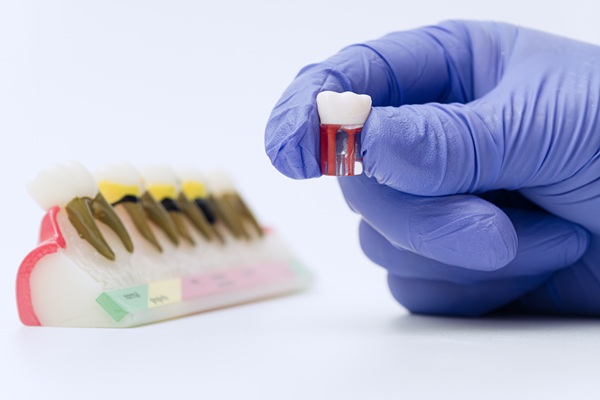
A dental crown serves as a reliable way to protect a damaged or weakened natural tooth. These durable caps rebuild the tooth's shape while offering a shield against the pressures of chewing and speaking. While crowns are known to last a decade or more, the true lifespan depends on a few factors.
Dental crowns' durability and structural support
The primary goal of dental crowns (caps) is to restore a tooth's strength when it is at high risk of fracture or decay. Since the porcelain or ceramic material mimics the natural resilience of enamel, the mouth functions more comfortably during meals. A well-fitted crown protects the vulnerable interior of the tooth from bacteria and sensitivity, while selecting the right material that matches the biting force of the specific tooth ensures that the restoration remains intact and dependable.
The importance of dental crowns having a strong foundation
The health of the natural tooth beneath the dental crown plays a massive role in how well the work stays in place. Even though the material itself is immune to cavities, the area where the crown meets the gums remains susceptible to plaque buildup. If decay develops at this junction, the entire foundation becomes unstable and requires intervention. A healthy, stable base is the most important requirement for a lasting restoration.
Daily habits keep the dental crown clear of the biofilm that leads to gum irritation and bone loss. Soft tissues that remain firm and pink provide a healthy frame for the tooth, reducing the risk of recession. Consistent care prevents the buildup of tartar in the hard-to-reach areas around the base of the cap. Maintaining a clean environment allows the restoration to perform well for a decade or longer without complication.
Protecting the dental crown from wear
Repeated heavy pressure from clenching or grinding can place significant stress on any dental restoration. Those who struggle with nighttime bruxism often benefit from a custom guard that acts as a shock absorber for the teeth. However, as a general rule of thumb, patients should avoid sticky foods and hard objects, such as ice or unpopped popcorn kernels, as this also helps prevent the ceramic from chipping or snapping under a sudden load. Patients should also consider quitting smoking. While the health issues smoking causes are well-documented, the nicotine, tobacco, and heat can wear the dental cement sooner than intended and discolor the restoration.
Partnering with a general dentist for dental crown maintenance
Routine checkups allow a professional to monitor the seal and the fit of the work through digital imaging. Catching a small rough edge or a minor shift early prevents the need for more extensive repairs later. These visits ensure the bite remains balanced so that no single tooth carries an unfair amount of pressure. Consistent professional oversight provides a safety net that protects the investment in oral health.
Schedule an appointment
A dental crown is a significant investment in oral health and provides long-lasting comfort when properly cared for. By following the tips above, you can extend your crown's lifespan beyond a decade. For more tips on caring for your dental crown, contact our office today.
Request an appointment here: https://brentwooddentalexcellence.net or call Brentwood Dental Excellence at (925) 308-9224 for an appointment in our Brentwood office.
Check out what others are saying about our dental services on Yelp: Dental Crowns in Brentwood, CA.
Related Posts
Invisalign® has been making big waves in the orthodontic industry since its introduction in 1989. The system is a discreet way to straighten teeth using custom trays. Take a closer look at how the system stacks up against traditional braces and the conditions it can correct.Traditional braces are the most common orthodontic appliances, and with…
Wondering how you can find a dentist? Read on to learn more. Visiting the dentist regularly is essential for good oral health, but you need to find a dentist qualified to treat you. That is just as important as attending your visits. Dentists who have the proper qualifications and experience will provide better care and…
Dental crowns are a common restorative dental treatment. Dentists use them to restore damaged teeth's strength, function, and appearance. A dental crown is a tooth-shaped cap that covers the entire visible portion of a tooth, right above your gum line. The design of dental crowns mimics the natural appearance of your teeth while providing protection…
Following a root canal, patients must restore the tooth to ensure it is fully functional. Dental crowns are the most commonly used dental restoration after these procedures. Their full coverage and natural appearance make for a well-rounded restoration that blends in with the rest of the smile. Read on to learn more about crowns and…