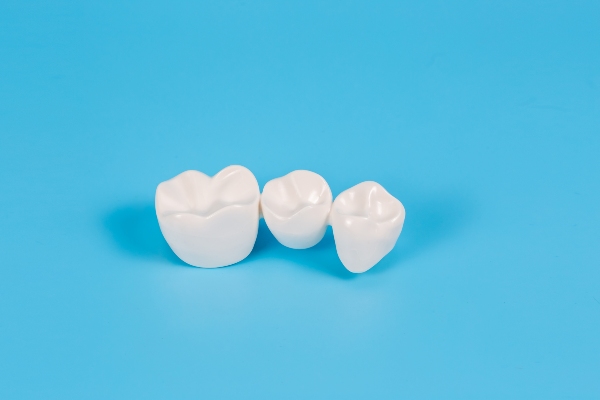
 Oral health involves keeping the teeth functional and healthy for as long as possible, and a dental crown is one way to do this after a tooth has been damaged. Damage does not necessarily equate to losing a tooth, though it can if treatment does not occur quickly enough. Fortunately, a dental crown is simple to install in most cases, so patients whose teeth need additional support and preservation have access to an effective method of preserving their oral health.
However, many people become nervous when they learn that they may need to get a crown. To ease your fears, read on to learn how crowns work and what you can expect during the procedure.
How dental crowns preserve oral health
Dental crowns create new teeth surfaces to replace what has been lost to trauma or decay. While they may need to be replaced occasionally, they are long-term solutions for patients whose teeth need extra help.
What dental crowns do
Think of a dental crown like a tooth cap. If part of a tooth is missing or weak, the dentist can cap it with a strong material that creates a new biting surface so the patient can continue to use the tooth like normal. Dental crowns look just like regular teeth and can even be color-matched to the shade of the patient’s dentition.
The dentist typically starts the crown process by taking a mold of the mouth. They send this data to a fabrication lab, which will custom create a crown that is shaped just like the affected tooth. At the second appointment, the dentist removes part of the tooth surface so the crown can fit. When the crown is ready, they will cement it onto the tooth and let it cure, and afterward, patients can use it just like a regular tooth!
Who might need a dental crown
Patients may need dental crowns for various reasons, but the two most common ones are dental decay and trauma. Crowns help hold teeth together, so if a person has had multiple cavities in one tooth, over time, that tooth may have so many holes and weakened areas that it threatens to break apart. A crown can hold this tooth together.
Similarly, if a person loses a chunk of a tooth due to trauma like a blow to the face, a crown may be more effective than dental bonding. Since crowns are molded to suit each person’s bite, teeth can be restored with little to no visual or functional difference.
Do dental crowns hurt?
Like with fillings, dental crowns should not hurt. The patient will be numbed while the dentist removes any necessary tooth material prior to crown placement. Once the crown is cemented into its spot, it completely covers the nerves and blood vessels inside the tooth to protect them. Some patients may experience minor sensitivity to hot and cold for a little while after crown placement, but this should fade.
Explore the possibilities of dental crowns
If your dentist has said that you need a crown or if you are exploring options for preserving damaged teeth over the years, know that there is nothing to fear. Our dentist can walk you through the steps of getting a crown and ensure that you are comfortable throughout the process. Contact our office to schedule an appointment.
Request an appointment or call Brentwood Dental Excellence at 925-308-9224 for an appointment in our Brentwood office.
Related Posts
Silver amalgam dental crowns are among the most well-known dental restorations. However, there are other crown options. A general dentist can restore damaged, decayed teeth in patients with metal allergies through a variety of non-metal dental crowns.According to the American Academy of Allergy, Asthma & Immunology, nickel allergies are the most common metal allergies in…
Dental crowns are an effective method to address a variety of dental issues. However, how do you know if you need a dental crown? Understanding the following signs and symptoms can help you maintain optimal oral health and prevent further complications.Tooth decay is a common problem that can lead to severe damage if left untreated.…
Your dentist will recommend a dental crown to bring back your stunning smile. A custom-fit cap can treat a broken, decayed, or weakened tooth. Knowing how this restoration can do this will help you set an appointment with your dentist soon. Here are the details on how a dental crown can bring back your smile.A…